 Full Map

Use cases
Anyone can make a similar product.
But the value of patented luxury technology cannot be matched.

Be sure to check how the product is used in real life
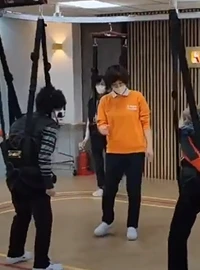
Jae*in Daycare Center
(Sasang, Busan)
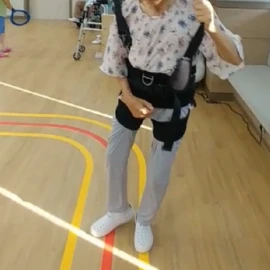
Uri*le Daycare Center
(Anyang, Gyeonggi)
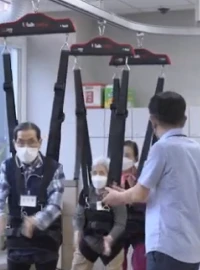
Uri*le Daycare Center
(Anyang, Gyeonggi)
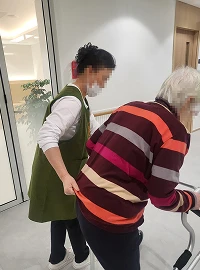
So* Nursing Home
(Namdong-gu, Incheon)
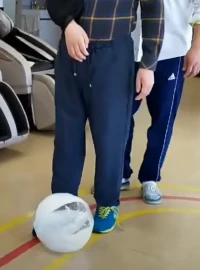
The Care Rehabilitation Senior Welfare Center
(Hwaseong, Gyeonggi)
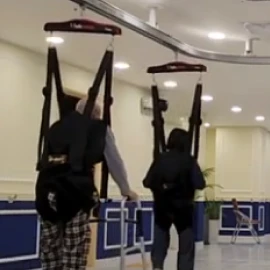
The Jo* Nursing Home
(Goyang, Gyeonggi)
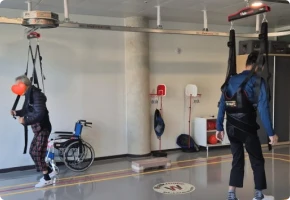
Ji* silver Home
(Hwaseong, Gyeonggi)
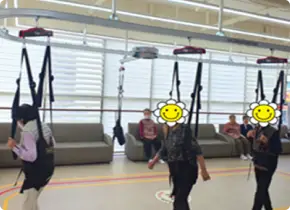
Jae* Day Care Center
(Dongjak-gu, Seoul)
I’d like to know where Walkmate has been installed

1. Gait training begins not with exercise, but with a sense of reassurance.
Walking may seem like a natural activity, but for many elderly individuals,
that is not always the case.
Due to fear of falling and concerns that their body may not keep up,
many tend to avoid walking.
Therefore, gait training is not simply about physical exercise,
but starts with building a sense of confidence
so that elderly individuals can move with peace of mind.

2. Gait training that begins in a safe environment
During periods when walking is unstable,
even small movements can lead to significant fear.
At our center, we use the Walkmate gait training assistive device
to provide an environment where elderly individuals can train
while being safely and stably supported.
As they begin to feel that it is "safer than expected,"
they gradually regain confidence in walking.

3. A step-by-step gait program without overexertion
Since each elderly individual has different levels of strength, balance, and condition,
our center focuses not on "walking more," but on proper and consistent walking.
Through a step-by-step process of
assessing the current condition → setting daily goals → safe walking practice
→ and checking condition,
we provide gait training without overexertion.

4. Positive changes through repeated training
With repeated gait training in a safe environment,
elderly individuals gradually gain strength in their legs,
improve their balance, and naturally increase their stride length.
Even those who once avoided walking due to fear
begin to actively participate in gait training
as they build successful experiences.

5. The goal of gait training is "returning to daily life"
Walking ability is directly connected to daily activities such as
moving to the restroom, changing positions, and walking after meals.
As confidence in walking grows, small daily movements become easier,
and overall stability in daily life also improves.
Our center will continue to support safe and consistent recovery
of walking ability tailored to each individual’s condition.
